Every homeowner has window questions. Answer them before the estimate.
Window and door contractor marketing works best when you explain the purchase in plain words — insert vs full-frame, vinyl vs fiberglass, why quotes vary — before the homeowner books an estimate. NoShotList makes those videos without a script: Remy, an AI video producer, asks you the questions homeowners ask, your phone films your answers, and they come back as captioned shorts.

The short version
- What it is: an AI video producer for window and door companies. Remy asks the questions homeowners ask at every estimate, you answer the way you would at the kitchen table, and the shorts are cut for you.
- What you need: a computer, your phone and 10–12 quiet minutes at your desk.
- What you get: about 3 captioned vertical shorts per session (40–75 seconds each), made only from your own words. You review them and post them yourself.
- What it doesn’t do: film installs. It films you talking at your desk — the explainers, not the job-site footage.
- What it costs: your first session is free once you’re invited. Then Solo is $49/month for about 12 shorts.
Why window and door contractor marketing is mostly explaining
Window and door contractor marketing is mostly explaining, because replacing windows is a big, rare purchase and most homeowners start it confused. They’ve heard vinyl is cheap and wood is nice, they don’t know what the numbers on the sticker mean, and the quotes on their counter don’t match. The company that clears that up — plainly, before anyone sits down at the kitchen table — is the one they already trust when the estimator knocks.
That’s what good window company marketing looks like on video. One clear answer to “insert or full-frame?” keeps explaining long after you’ve left the house — to the next homeowner, and the one after that.
Most window company owners know this. Three things stop them:
- The week. Estimates, installs, service calls and callbacks always come first, and “film content” slides to next week — again.
- The blank page. You know windows cold, but in front of a camera you can’t think of what to say first.
- The camera. Talking to a lens feels nothing like walking a homeowner through a frame detail while they nod along.
NoShotList is built around those three. Remy picks the topic, asks the question, and you answer a person on your screen, not a lens. For the wider picture across the trades — roofing, siding, remodeling — see NoShotList for contractors.
What homeowners ask window companies — and what Remy asks you
Remy starts where your estimates start: the questions you answer every week. Before you film, it learns your business — from your website, or by brainstorming with you — who you sell to, what you install and what sets you apart. Then it asks one question at a time, and sometimes suggests a way in:
- RemyWhat’s the question you answer at almost every estimate?
- YouHonestly? “Why is your price so different from the other guy’s?” Every single week.
- RemyGood. Answer it the way you would at the kitchen table.
- YouBecause we’re not quoting the same job. One of us is taking your old frames out, and one of us is leaving them in.
- RemyHere’s a good way in — lead with the difference. What do you find when you pull an old frame out?
Other questions Remy might ask a window and door company:
- “A homeowner asks, ‘Vinyl or fiberglass?’ What do you tell them?”
- “What do the numbers on a new window’s sticker mean — in words a homeowner would use?”
- “Someone calls about fog between their panes. Do they need new windows?”
- “What’s the one thing you check on every install that the homeowner never sees?”
- “What should people look for in a window warranty before they sign?”
- “Walk me through install day. When does the crew show up, and what does the house look like when they leave?”
Ten minutes of that is enough for about three shorts. Behind the scenes, the pipeline knows the timestamp of every word you said, keeps your cleanest take of each line, cuts the “ums,” adds captions and puts your own opening line on the title card. The same idea works for any business with a list of questions it answers on repeat — see turning customer questions into short videos.
 Insert or full-frame?
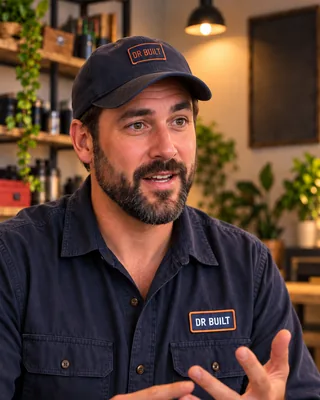 Why quotes differ
 Ask me anything
What a window replacement company should post: 15 video ideas
Post the answers to what homeowners are already confused about — the best content ideas for a window company come straight from its estimates. Remy starts from hook and structure patterns measured across a library of decoded creator shorts and adapts them to your business; when it needs more, it researches the videos homeowners actually watch, not just what other window companies post. Remy picks the topics; these are the kinds of shorts that come out of a window and door company’s sessions, each opening on a line you’d actually say:
Insert vs full-frame replacement
Open with “Before you compare window quotes, ask one question: are you keeping my old frames or taking them out?”
An insert window goes inside the existing frame; full-frame replacement takes everything out down to the rough opening. That one difference explains a lot of the gap between quotes.
Vinyl, fiberglass or wood
Open with “Vinyl, fiberglass or wood — here’s how I’d choose if it were my own house.”
Homeowners look up this comparison first. Walk through cost, upkeep and look for each, and say who each one is right for.
What U-factor means
Open with “There’s a number on a new window’s sticker that tells you how well it insulates. Lower is better.”
U-factor measures how much heat gets through the window. It’s printed on the NFRC label, and ENERGY STAR sets its limits by climate zone. One plain sentence about a spec is what makes you the expert.
What SHGC means
Open with “SHGC sounds like jargon. It’s just how much of the sun’s heat comes through the glass.”
A lower number keeps sunny rooms cooler; a higher one lets in more winter sun. Which one you want depends on your climate and which way the window faces.
Why window quotes vary
Open with “Three window quotes for the same house can look like three different jobs. Usually, they are.”
Every comparison shopper is asking this. Explain what’s actually different — the product line, the installation method, what’s included — and you’re the honest one.
Signs your windows need replacing
Open with “Here are the signs I look for when I walk up to a house — and one that doesn’t mean you need new windows.”
Drafts, sashes that stick, soft or rotted frames. Telling people when they don’t need you yet builds more trust than any sales line.
Fog between the panes
Open with “Fog between the panes means the seal has failed. Here’s what that does and doesn’t mean.”
Sometimes only the glass unit needs replacing, not the whole window. The honest answer is the one they don’t expect from a window company.
Installation mistakes
Open with “A great window installed badly is a bad window. Here’s what I check on every install.”
Flashing, insulation around the frame, level and square — the craft nobody sees once the trim goes back on.
Warranty fine print
Open with “Read your window warranty for one thing: does it cover the labor, or just the window?”
The product and the installation are often covered separately. Walking through yours plainly shows you have nothing to hide.
The best season to replace windows
Open with “People ask me if they should wait until spring for new windows. Here’s my honest answer.”
A seasonal question with a local answer — your schedule, your weather and how your crew handles a cold day.
What happens on install day
Open with “Here’s exactly what happens on install day, from the drop cloths to the final walk-through.”
Most of the worry is the unknown: dust, noise, how long it takes, whether they need to be home. Answer it once on video and every future customer can see it.
Egress windows
Open with “If anyone sleeps in your basement, this is the window that matters most.”
An egress window is sized so someone can get out in an emergency. The rules come from local building code, so explain what you check in your town.
Patio doors: sliding or hinged
Open with “Sliding or hinged? Here’s how I help people pick a patio door.”
Door installation marketing often stops at a product photo. Swing space, screens, locks and how much glass are simple to answer on camera — and homeowners want them answered.
Before you add a storm door
Open with “Before you put a storm door on, look at which way your front door faces.”
A practical tip homeowners don’t know to ask about — the kind of detail that makes you the expert, not the salesman.
Why you do this work
Open with “I got into windows because of [the job that hooked you].”
We recommend filming your own story first — why you started and what makes your company different. It’s why someone picks you over the company with the bigger ad budget.
Want ideas for the rest of the trades? See contractor video ideas you can film sitting down.
Why explainer shorts earn trust before the in-home estimate
Because the homeowner meets you before you arrive. A window sale is usually decided at the kitchen table, often against other quotes. If they’ve already watched you explain insert vs full-frame, or what the U-factor on the sticker means, you walk in as the person who helped them understand the job — not the next salesman on the list.
Explainers also do a job your sales process already needs. Once your shorts are posted, you can send the right one at the right moment:
| What the homeowner is wondering | The short that answers it | When to send the link |
|---|---|---|
| “Do I really need new windows?” | Signs your windows need replacing; fog between the panes | When a lead first calls |
| “Are these people going to wreck my house?” | What happens on install day | With the appointment confirmation |
| “Why is this quote higher than the other one?” | Insert vs full-frame; why window quotes vary | The day after you leave the quote |
| “Will they stand behind it?” | Warranty fine print; why you do this work | While they’re deciding |
It’s the same reason honesty works in window replacement marketing: a short that says “you might not need new windows yet” does more for the next estimate than one that says “call now.”
How a 10-minute session fits into an estimator’s week
One session a week at your desk covers it. A session is about 10–12 minutes and makes about 3 shorts, so filming once a week — before the first appointment, or at the end of the day once the crews check in — keeps a new short going out every couple of days.
Set up once
Open the studio page on your computer and pair your phone with a short code. Stand the phone right beside your screen at eye level — a tripod or a stack of books works. Automatic shot checks look at framing, angle and light until the shot is good.
Talk for 10–12 minutes
Press the red record button. Remy asks, you answer from memory in your own words. You look at Remy on the screen, not the lens — the podcast look.
Review between appointments
Your shorts arrive ready to review: vertical, captioned, 40–75 seconds each. Anything that might be off is flagged “Needs review.”
Post through the week
Download them and post them yourself — Reels, TikTok, YouTube Shorts, Facebook or LinkedIn.
New to filming yourself? How to film yourself with your phone covers placement, light and sound.
How it compares with other ways window companies get video
| Option | What you still have to do | Is it really you? |
|---|---|---|
| A short-form video agency | Pay a monthly retainer and approve what they make | Only if they film you |
| Clip tools (OpusClip, Klap and others) | Record a long video first — they cut it into shorts | Yes |
| Teleprompter apps | Write the script, then read it on camera | Yes, reading |
| AI avatar generators (HeyGen, Synthesia) | Write a script for a synthetic presenter to read | No |
| Filming and editing it yourself | Pick the topic, film, cut and caption | Yes |
| NoShotList | Talk for 10 minutes; review the shorts | Yes, talking |
Pick what fits. If you already record a long video or a podcast every week, a clip tool is built for you — see how NoShotList differs from OpusClip. If you’d rather hand everything off, an agency does that: LYFE Marketing’s short-form plans run $500–$1,400/month for 12+ posts (checked September 2026). See what a short-form video agency costs for the full picture.
What it costs
NoShotList is an invite-only beta. Once you’re invited, your first session is free — up to 20 minutes with Remy, no card — which makes about 3 shorts. After that, Solo is $49/month (or $39/month billed yearly) for 60 voice minutes, about 12 shorts a month — roughly three a week. Beta members can lock in Solo at $29/month for life (first 100). If you run more than one company, Pro covers up to 3 businesses; see the pricing page.
Questions
What should a window replacement company post on social media?
Short videos that answer what homeowners are confused about: insert vs full-frame replacement, vinyl vs fiberglass vs wood, what U-factor and SHGC mean, why quotes vary, fog between panes and what happens on install day. Add your own story and your warranty explained plainly. Explainers build trust before the estimate; job-site clips show the work.
How can a window, roofing, or remodeling contractor get more leads from Instagram and TikTok if they’re bad on camera?
Stop performing and start answering. Post short, plain answers to the questions homeowners ask you, every week, so yours is the name they know when they need the work. With NoShotList you look at Remy on your screen, not the lens, and answer one question at a time. No tool can promise leads, but this removes the reason most contractors never post. More in getting over camera shyness.
Can NoShotList film my installs or before-and-after videos?
Not by itself — NoShotList films you talking at your desk, with your phone beside your computer screen. But while you’re talking, you can share a before-and-after photo or a short clip from your phone, and it can appear in the short beside you as a cutaway. Keep filming the job itself on your phone, and use NoShotList for the explainers — the questions homeowners ask before they ever call.
Do I need to write a script?
No. Remy asks you questions and feeds you one small line at a time; you answer in your own words, the way you would at an estimate. If you freeze, it suggests a way in — like leading with the difference between two quotes.
Will the shorts get the technical details right?
Every word is yours. Shorts are cut only from your own whole sentences, with qualifiers kept, and your words are never spliced into a claim you didn’t make. So U-factor, SHGC and warranty details are as accurate as you said them — and you review every short before you post it.
Does NoShotList post to Facebook or Instagram for me?
No. Your shorts arrive ready to review; you download them and post them yourself — Reels, TikTok, YouTube Shorts, Facebook or LinkedIn. You decide what goes out and where.
Is my voice or face generated by AI?
Never. Your voice is never synthesized, and it’s really you on camera — not an AI avatar or a digital twin. Shorts are cut only from your own whole sentences.
Stop putting it off. Start talking.
NoShotList is an invite-only beta. Request access with your email; once you’re invited, your first session is free: up to 20 minutes with Remy, no card.